
Most people picture cows standing motionless in a field, chewing cud, doing absolutely nothing. And while Miniature Highland Cows are certainly not training for marathons, the truth about their activity needs is far more nuanced and far more important to their health than most new owners realize.
Physical activity is not optional for Mini Highland Cattle. It is a biological necessity. A Mini Highland Cow that lives in a small pen with no room to roam, no mental stimulation, and no opportunity for natural movement will develop serious physical and psychological problems. Muscle weakness, obesity, hoof deterioration, digestive disorders, behavioral issues, and shortened lifespan are all documented consequences of insufficient activity in cattle.
At the same time, Mini Highlands are not horses. They do not need daily training sessions or structured exercise routines to stay healthy. What they need is thoughtfully designed space, environmental enrichment, appropriate social interaction, and an owner who understands the difference between a cow that is resting and a cow that is being kept from moving at all.
This guide covers everything you need to know about Miniature Highland Cow exercise and activity from their natural movement patterns and minimum space requirements, to enrichment ideas, halter training, seasonal activity adjustments, and the warning signs that your animal is not getting enough physical stimulation.
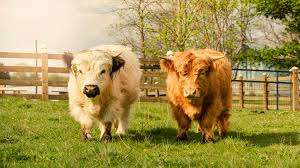
Understanding the Natural Movement Patterns of Highland Cattle
How Much Do Miniature Highland Cows Naturally Move? Understanding Their Wild Activity Instincts
The Ancestral Blueprint:
- Scottish Highland Cattle evolved roaming vast, rugged mountain terrain in search of sparse vegetation
- Wild and semi-feral Highland Cattle herds in Scotland travel 3 to 8 miles per day across varied terrain
- This daily movement shaped their physiology strong legs, dense hooves, efficient metabolism, and muscular frame built for continuous low-intensity activity
- Domestic Mini Highlands carry this same genetic blueprint regardless of their smaller size
Natural Daily Activity Breakdown:
- Grazing: 6 to 8 hours per day spread across multiple sessions
- Ruminating (cud chewing): 6 to 8 hours per day, usually while lying down
- Walking between grazing areas, water, and shade: 2 to 4 hours per day
- Social interaction, play (especially in young animals), and rest: remaining hours
- Total active movement window: approximately 10 to 14 hours per day in natural conditions
What This Means for Domestic Owners:
- Mini Highlands are not designed to stand in a small paddock all day
- They need enough space to graze, walk, explore, and move between resources naturally
- Restricting movement to a very small area fights against millions of years of evolutionary conditioning
- The goal of good husbandry is to approximate natural movement patterns within a domestic setting
Key Differences From Full-Size Highland Cattle:
- Mini Highlands cover less ground per day due to smaller stride and lower body weight
- They tire more quickly under stress or intense heat
- Their smaller size makes them more vulnerable to the health consequences of obesity from inactivity
- Activity needs are proportionally similar to full-size cattle but scaled to their smaller frame
Minimum Space Requirements for Adequate Daily Activity
How Much Space Does a Miniature Highland Cow Need? Land Requirements for Health and Movement
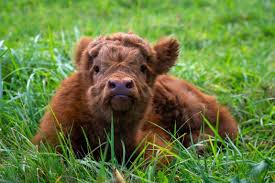
Why Space Is the Foundation of Exercise:
- Unlike dogs or horses, you cannot compensate for inadequate space by taking your cow for a walk every day
- The primary way cattle meet their movement needs is through continuous, self-directed grazing movement throughout the day
- Space is not a luxury for Mini Highland Cattle it is the primary exercise equipment
Minimum Land Recommendations:
- Absolute minimum for a single Mini Highland: 0.5 acres (not recommended long-term)
- Recommended minimum for a single animal: 1 to 1.5 acres
- Ideal for a pair of Mini Highlands: 2 to 4 acres
- More space is always better there is no upper limit that creates problems
- Land quality matters as much as quantity a barren dirt lot of 2 acres provides less activity benefit than a well-managed 1 acre pasture with varied terrain
Terrain Variety and Its Role in Activity:
- Flat, featureless pasture encourages less movement than pasture with natural variation
- Gentle slopes, hills, and varied ground surfaces encourage more walking, promote hoof wear, and strengthen leg muscles
- Rocky or rough terrain in limited quantities actually benefits hoof health and core muscle development
- Trees, brush lines, and shelter structures create natural movement destinations animals walk to shade, to water, to different grazing patches
Multiple Paddock Rotational Systems:
- Dividing available land into 3 to 4 smaller paddocks that are rotated provides significantly more activity stimulation than one large static pasture
- Animals move eagerly and purposefully when introduced to fresh paddocks with new grazing
- Rotation also prevents pasture overgrazing and reduces parasite buildup in the soil
- Rotation schedule: move animals every 5 to 14 days depending on paddock size and grass recovery time
The Role of Grazing in Physical and Mental Health
Why Grazing Is the Most Important Exercise a Miniature Highland Cow Gets
Grazing Is Not Passive It Is Active Work:
- A cow grazing actively for 6 to 8 hours per day is walking, bending, tearing, chewing, and navigating terrain continuously
- This low-intensity, sustained movement is exactly what their cardiovascular system, musculoskeletal system, and digestive system are designed for
- Sustained grazing movement maintains healthy blood circulation, joint lubrication, hoof condition, gut motility, and body weight
The Mental Health Dimension of Grazing:
- Foraging is not just physical it is cognitively stimulating
- Cattle experience measurable stress when denied the opportunity to forage and graze naturally
- Research shows that cattle housed without grazing opportunity show increased cortisol levels, increased aggression, and stereotypic behaviors (repetitive, purposeless movements)
- Providing adequate grazing opportunity is one of the most effective forms of behavioral enrichment available for cattle
Signs That Your Mini Highland Is Not Grazing Enough:
- Standing at the fence line for extended periods
- Chewing on fence posts, wood, or non-food objects (a behavior called wood chewing)
- Increased aggression or restlessness
- Rapid, greedy eating at hay feeding times suggesting chronic hunger and frustration
- Weight gain from inactivity combined with boredom eating of hay
Supplementing Grazing When Pasture Is Limited:
- During winter or drought when pasture is unavailable, provide hay in multiple small piles spread across the available area rather than one large feeder
- This mimics natural grazing movement the animal must walk between food sources
- Hide hay in different locations occasionally to encourage exploratory behavior
- Use slow feeder hay nets to extend eating time and mimic the natural pace of grazing
Social Activity Why Companionship Is Exercise Too
The Social Life of Mini Highland Cows: Why Companionship Drives Physical and Mental Activity
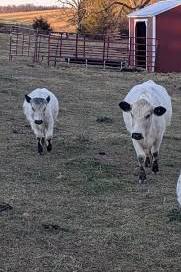
Cattle Are Obligate Herd Animals:
- Miniature Highland Cows are not solitary animals under any circumstances
- In the wild, Highland Cattle live in herds of 6 to 20 animals with complex social hierarchies
- A single Mini Highland kept without companionship will experience chronic stress, reduced activity, and declining health regardless of how large the pasture is
- Herd animals derive a significant portion of their daily movement from social interaction following herd mates, playing, grooming, and maintaining social position
How Social Interaction Drives Activity:
- Young cattle (under 2 years) spend 20 to 30 percent of active time in play behavior running, bucking, mock sparring
- Adult cattle engage in mutual grooming (allogrooming) which requires movement toward and around herd mates
- Social hierarchies require occasional movement-based interactions asserting position, moving away from dominant animals, and accessing resources
- Cattle voluntarily move more when in a group than when alone solo animals tend to stand and call rather than walk and graze
Compatible Companion Options When a Second Cow Is Not Possible:
- Another Mini Highland is always the ideal companion
- Other cattle breeds of similar size can work well
- Sheep and goats are acceptable companions that encourage some interactive movement
- Horses and donkeys can coexist but do not fulfill cattle social needs fully
- Livestock guardian dogs provide some companionship but do not substitute for another bovine
Warning Signs of Social Deprivation:
- Continuous vocalizing (bellowing) especially when owner leaves
- Pacing fence lines repeatedly
- Over-attachment to humans following obsessively, unable to be left alone
- Stereotypic behaviors such as repeated tongue rolling or fence chewing
- Lethargy and reduced voluntary movement
Halter Training and Structured Activity With Your Mini Highland
Halter Training a Miniature Highland Cow: Building Exercise, Bond, and Behavioral Foundation
Why Halter Training Is About More Than Walking:
- Halter training is the single most valuable structured activity investment you can make with a Mini Highland Cow
- A halter-trained animal is safer to handle during veterinary care, hoof trimming, and transport
- The training process itself provides significant mental stimulation and positive human-animal interaction
- Walking on a halter adds structured movement on days when pasture access is limited
Starting Halter Training Step by Step:
- Introduce the halter at a young age ideally between 3 and 8 weeks for hand-raised calves
- Begin with short daily halter-wearing sessions without any leading allow the calf to get used to the feel
- Introduce gentle pressure and release on the lead rope reward any forward movement with release of pressure
- Practice in a small, safe area before moving to open spaces
- Keep early sessions to 5 to 10 minutes young cattle have short attention spans
- Gradually increase session length and complexity as the animal gains confidence
- Introduce new environments slowly new sights, sounds, and terrain keep sessions mentally stimulating
Walking Routes and Structured Movement:
- Once halter-trained, short walks of 10 to 20 minutes 3 to 4 times per week provide meaningful activity
- Vary routes to maintain interest and provide novel sensory stimulation
- Walk on different surfaces grass, gravel, dirt, gentle slopes to strengthen hooves and muscles
- Avoid long walks in extreme heat Mini Highlands in non-native warm climates are heat-sensitive
Using Halter Training for Show Preparation:
- For owners interested in showing, halter training transitions directly into show preparation
- Show cattle practice standing square, walking at a controlled pace, and accepting examination
- Show training adds significant structured mental and physical activity to the animal’s routine
Training Tools and Safety:
- Use a properly fitted cattle halter not a horse halter
- Never tie a halter-trained animal to a fixed object and leave unattended
- Always use a quick-release knot if tying is necessary
- Work with calm, consistent energy cattle are highly sensitive to human body language and emotional state
Environmental Enrichment Keeping Mini Highlands Mentally and Physically Stimulated
Miniature Highland Cow Enrichment Ideas: How to Stimulate Activity When Pasture Is Limited
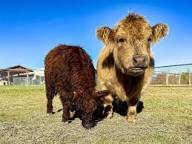
What Is Environmental Enrichment and Why Do Cattle Need It:
- Environmental enrichment refers to modifications to the animal’s environment that encourage natural behaviors, increase activity, and reduce stress
- Enrichment is most critical during winter, drought, or when animals are in smaller enclosures
- Bored cattle develop health problems obesity, digestive issues, behavioral problems, and reduced immune function
- Enrichment does not require expensive equipment it requires creativity and understanding of natural cattle behavior
Physical Enrichment Ideas:
- Scratching posts and brushes: Install a heavy-duty cattle brush or a sturdy post wrapped in rope or burlap Mini Highlands will use these for extended periods, which involves walking to and from the brush and active body movement
- Obstacle variation: Place large rocks, log sections, or raised platforms in the pasture animals investigate, step over, and navigate around novel objects
- Multiple water sources: Placing water in two or more locations encourages walking between sources
- Spread hay in multiple locations: Instead of one central feeder, spread several small hay piles to create natural foraging movement
- Mud wallows in hot climates: Mini Highlands will use shallow mud areas to cool themselves, which involves active digging and rolling behavior
Cognitive and Sensory Enrichment Ideas:
- Novel objects: Introduce large rubber balls, traffic cones, hanging burlap bags, or similar safe objects periodically cattle investigate new items with interest
- Treat foraging: Hide small treats (apple slices, carrots, molasses-based cattle licks) in different locations to encourage exploratory movement
- Mirror placement: Research shows cattle are calmed and stimulated by their own reflection useful for single animals
- Sound variation: Playing calm music or ambient nature sounds in housed cattle has been shown in studies to reduce stress and encourage natural behavior
Seasonal Enrichment Adjustments:
- Winter: Focus on hay distribution, indoor scratching access, and short halter walks on dry days
- Spring: Controlled introduction to new pasture, exploratory walks in new areas
- Summer: Morning and evening activity emphasis to avoid heat stress, shade access with varied locations
- Autumn: Increased grazing time as grass is still available, preparation for winter housing
Exercise Needs Across Life Stages
Miniature Highland Cow Activity Needs by Age: Calves, Adults, Pregnant Cows, and Seniors
Why Activity Needs Change Across a Lifetime:
- A Mini Highland Cow lives 15 to 20 years activity requirements shift significantly across those decades
- Applying the same management approach to a 3-month-old calf, a 5-year-old breeding cow, and a 15-year-old senior leads to problems
- Understanding life-stage-specific needs prevents both under-activity and over-exertion
Calves (Birth to 6 Months):
- Calves are naturally the most physically active stage running, bucking, and playing for 20 to 30 percent of active time
- Allow maximum freedom of movement from the earliest age possible
- Dam-raised calves follow their mother and naturally accumulate significant daily movement
- Bottle-raised calves need human interaction and companion calves to fulfill natural play drive
- Do not over-restrict calf movement to protect them controlled movement builds bone density, muscle development, and joint health
- Avoid hard, slippery, or uneven surfaces that could cause falls and injury in very young calves
Growing Heifers and Young Steers (6 Months to 2 Years):
- This is the highest-energy, highest-activity life stage
- Young Mini Highlands need the most space and the most social interaction of any age group
- Begin halter training during this period young animals learn faster and accept training more readily
- Avoid over-feeding combined with under-activity the combination causes skeletal developmental problems and lifetime structural issues
- Encourage natural play by keeping same-age companions together when possible
Adult Cows and Steers (2 to 10 Years):
- Maintenance activity stage daily grazing movement and social interaction meet most needs
- Continue regular halter walking if established
- Monitor body condition score monthly adults on good pasture can gain weight rapidly with insufficient movement
- Rotate pastures to maintain movement motivation and prevent pasture boredom
Pregnant Cows:
- Moderate activity throughout pregnancy is beneficial do not restrict movement of pregnant cows
- Walking and grazing promotes optimal fetal positioning and reduces calving complications
- In the final 2 to 4 weeks before calving, monitor more closely but do not confine unless medically necessary
- Avoid activities that cause slipping, jumping, or sudden exertion in late pregnancy
Senior Animals (10 Years and Older):
- Older Mini Highlands may show reduced voluntary movement due to arthritis, dental pain, or general age-related decline
- Do not interpret reduced movement as normal aging without veterinary assessment
- Provide softer ground surfaces where possible rubber mats in high-traffic areas, softer soil in shelter areas
- Maintain gentle halter walks to preserve joint mobility movement is medicine for arthritic joints
- Separate seniors from very young or aggressive herd mates to ensure they can access feed and water without competition
Seasonal Activity Management
Managing Miniature Highland Cow Activity Through the Seasons: Heat, Cold, and Everything Between
Winter Activity Management:
- Mini Highlands are cold-weather specialists their double coat handles temperatures well below freezing without stress
- Cold weather generally does not reduce their activity drive they will graze in snow if forage is available beneath it
- Key winter challenges are frozen water sources, ice on walking surfaces, and reduced daylight for observation
- Break ice on water troughs twice daily or use heated waterers dehydration reduces activity and gut motility
- Spread sand or gravel on icy surfaces near shelters and feeders to prevent slipping injuries
- Maintain regular halter walking on dry, clear days to preserve conditioning through winter months
Spring Activity Management:
- Spring is the highest-risk season for metabolic problems related to activity and diet changes
- Transition from dry hay to lush spring pasture gradually over 2 to 3 weeks to prevent bloat and digestive upset
- Supplement magnesium during spring grass season to prevent grass tetany
- Increased energy from spring grass often triggers high-energy running and play behavior ensure fencing is secure
- This is the ideal season to increase activity variety new walking routes, pasture rotation, and enrichment
Summer Activity Management:
- Mini Highlands in warm and hot climates (anything above 80°F/27°C consistently) need heat stress management
- Schedule active periods halter walking, pasture rotation introductions during early morning and evening
- Ensure shade access in all pasture areas animals will self-regulate by resting in shade during peak heat hours
- Watch for signs of heat stress: rapid breathing, excessive drooling, seeking shade and refusing to move, clustering near water
- Ensure unlimited fresh water access intake increases significantly in heat
- Do not force activity during peak afternoon heat in summer
Autumn Activity Management:
- Autumn is an ideal activity season cooler temperatures and still-available forage increase natural movement
- Use autumn to build conditioning before winter housing if applicable
- This is a good time to resume or intensify halter training after summer heat breaks
- Perform pre-winter health checks, hoof trimming, and vaccinations during this season
Warning Signs Your Mini Highland Is Not Getting Enough Activity
Signs of Inactivity and Boredom in Miniature Highland Cows: What to Watch For
Physical Warning Signs:
- Obesity and rapid weight gain despite normal feeding
- Soft, overgrown hooves that crack or chip (insufficient natural hoof wear)
- Muscle weakness difficulty rising, reluctance to walk on any incline
- Chronic low-grade digestive problems including loose stool and bloating
- Reduced coat quality and luster
- Swollen joints or chronic mild lameness in older animals
Behavioral Warning Signs:
- Persistent fence-line pacing walking the same path along the fence repeatedly
- Wood chewing and bark stripping a sign of both boredom and possible nutritional deficiency
- Excessive vocalization especially when owner is visible but not engaged
- Aggression toward human handlers or herd mates that is new or escalating
- Stereotypic behaviors tongue rolling, head swinging, repetitive movements with no purpose
- Complete disinterest in surroundings standing motionless for hours, unresponsive to stimuli
What to Do If You Notice These Signs:
- Assess your current space, is it truly adequate for natural grazing movement?
- Evaluate social situation does your Mini Highland have appropriate bovine companionship?
- Add enrichment immediately scratching brushes, hay distribution changes, novel objects
- Introduce or reinstate regular halter walking
- Consult your veterinarian if physical signs of obesity or lameness are present
- Consider rotational grazing if currently using a static pasture
Conclusion
Miniature Highland Cows do not need a personal trainer, a structured workout schedule, or an obstacle course. What they need is space to graze, company to socialize with, terrain that challenges their bodies gently each day, and an owner who pays attention to whether they are moving, engaging, and thriving.
Activity and exercise in Mini Highland Cattle is almost entirely about environment design. Get the space right. Get the companionship right. Add thoughtful enrichment. Build a halter-training practice together. And then step back and let your Mini Highland do what fifteen thousand years of evolution designed it to do move through the landscape slowly, purposefully, and contentedly.
A Mini Highland Cow that moves freely and lives in an enriching environment will have better hooves, better digestion, better body condition, a calmer temperament, and a dramatically better chance of living out its full 15 to 20 year lifespan in genuine health.