- Mini Highland Cows are loved for their cute looks, fluffy coats, and gentle nature.
- Many new buyers search for Mini Highland Cows for sale but often feel confused about prices, breeders, care needs, and how to choose the right cow.
- This guide is made for beginners who want simple, clear, and useful information.
- The article will explain:
- What Mini Highland Cows are
- Where to find them for sale
- How much they cost
- What to check before buying
- How to care for them
- What new owners must avoid
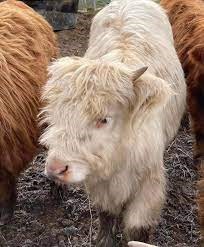
What Are Mini Highland Cows? (Foundation Section)
Basic Overview for Beginners
- Small, fluffy cattle with long hair
- Known for calm, friendly personality
- Hardy animals that adapt to many climates
- Suitable for small farms, homesteads and hobby owners
Mini Highland vs. Standard Highland Cows
- Mini height: 36–48 inches
- Standard height: 48–60+ inches
- Minis eat less and need less land
- Easier for beginners to manage
- Same appearance and temperament, smaller size
Why Mini Highland Cows Are Popular
- Cute and photogenic
- Low feed cost
- Family-friendly
- Strong and healthy breed
- Great for small-scale farming
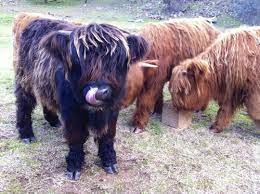
Where to Find Mini Highland Cows for Sale
Local Breeders
- Search “Mini Highland Cows for Sale Near Me”
- Look for breeders with:
- Clear photos
- Farm location
- Health papers
- Good reviews
- Plan a farm visit if possible
- Ask to see the cow’s parents
Online Platforms for Buying Mini Highland Cows
- Livestock classified websites
- Mini cattle breeder directories
- Facebook farm groups
- Ranch and homestead forums
Local Livestock Auctions and Farm Events
- Sometimes cheaper
- Good for beginners wanting to learn
- But may lack full health history
Homestead Communities and Small Farm Networks
- Ask local farmers
- Join groups in your region
- Many cows are sold privately before ever being listed online
Mini Highland Cow Prices and Costs
How Much Do Mini Highland Cows Usually Cost?
Simple price ranges:
- Pet-quality calves: $2,000–$4,000
- Breeding heifers: $5,000–$10,000
- Breeding bulls: $3,500–$8,000
- Rare coat colors: higher prices
Why Mini Highlands Cost So Much
- High demand
- Slow growth rate
- Expensive to raise
- Rare genetics
- Limited number of breeders
Extra Costs After Buying
- Transport charges
- Vaccinations
- Vet checkups
- Registration papers
- Hay and grain
- Shelter and fencing
- Minerals and supplements
- Emergency medical care
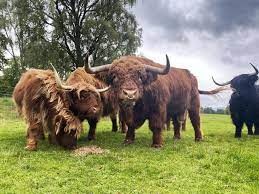
How to Choose the Right Mini Highland Cow
What a Healthy Mini Highland Cow Looks Like
- Bright eyes
- Soft hair
- Strong legs
- Clean nose
- Calm behavior
- Verified height and age
- Good weight
Warning Signs (Red Flags)
- Very low prices
- No photos of parents
- No health papers
- Cannot visit the farm
- Breeder avoids questions
- Seller pushes fast payment
Preparing Your Home Before Buying
Land and Space Requirements
- Mini Highlands need pasture
- Clean grass area for grazing
- Shade trees or shelter
- Dry ground for winter
Shelter and Fencing
- Strong fencing
- Safe shelter for wind, rain and sun
- No sharp wires or open holes in the land
- Small sheds work for minis
Feeding and Nutrition Basics
- Good quality hay
- Fresh pasture
- Mineral blocks
- Clean water 24/7
- Winter feeding increases costs
Basic Health and Vet Care
- Annual vaccinations
- Deworming
- Hoof checks
- Routine vet visits
- Keep emergency vet number ready
Transporting Your Mini Highland Cow Safely
Choosing How to Transport
- Livestock trailer
- Hiring a professional transporter
- Safe, clean bedding during travel
Before Transport
- Light feeding
- Hydration
- Calming environment
After Arrival at Home
- Rest time
- Water and food
- Quiet space
- Observe for stress or sickness
- Slow introduction to new animals
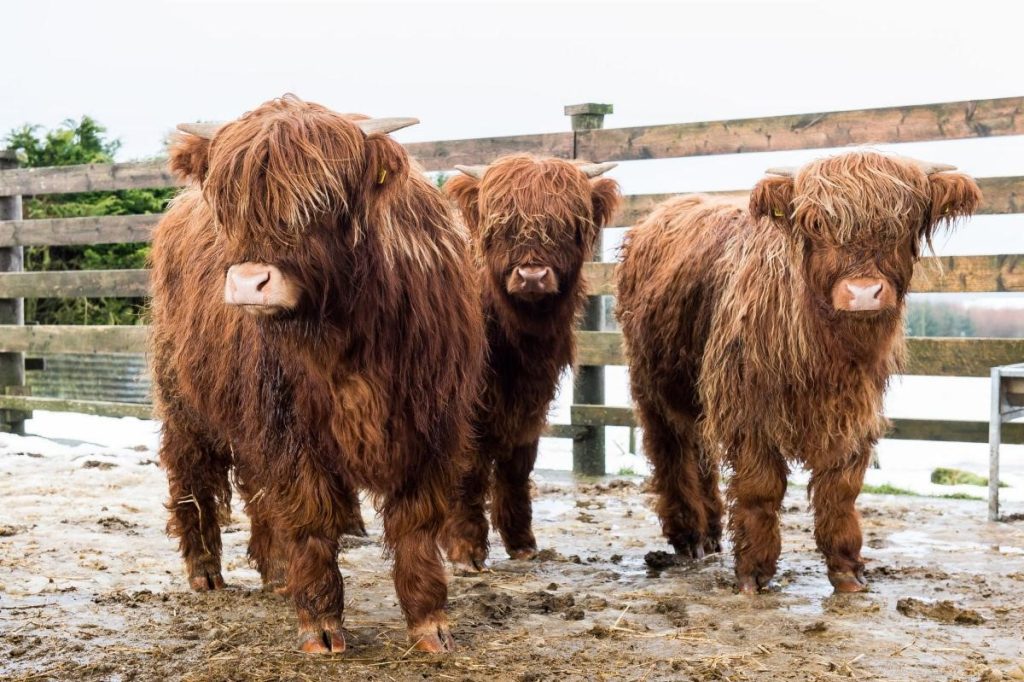
Legal and Paperwork Requirements
Registration & Ownership Papers
- Key breed association papers
- DNA testing
- Height verification
- Sales contract copies
Local Legal Rules
- Zoning laws
- Livestock permits
- Transport rules between states
- Microchip or ear tag requirements
First Week With Your New Mini Highland Cow
Helping Your Cow Adjust
- Keep the area quiet
- Slow introduction to family and other animals
- Create a simple routine
Daily Care Checklist
- Fresh water
- Hay or pasture
- Grooming
- Health check
- Clean shelter
Bonding With Your Cow
- Speak softly
- Offer treats
- Hand-feeding
- Begin light halter training
Common Beginner Mistakes to Avoid
- Choosing the wrong breeder
- Buying too quickly
- Not knowing the cow’s true size
- Poor fencing
- Underestimating feed costs
- Keeping only one cow (cows are social)
- Not having a vet ready
- Not preparing the land first
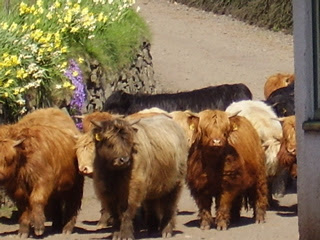
Best Time of Year to Buy Mini Highland Cows
Spring Calves
- More available
- Better weather
- Easier pasture support
Fall Sales
- Often cheaper
- Good time for weaned calves
Year-Round Purchase Options
- Some breeders sell all year
- But waiting lists may apply
Your Complete Beginner’s Guide to Buying Mini Highland Cows
- Mini Highland Cows are great for beginners
- Choose trusted breeders
- Understand costs
- Prepare your farm first
- Use the guide above to make smart buying decisions
- With proper care, your Mini Highland Cow will be a loving, gentle companion for many years
Questions to Ask the Breeder Before Buying
What is the cow’s height now?
The current height depends on its age and growth stage. Most Mini Highland calves range between 20–30 inches at purchase.
How tall will it be full grown?
Fully grown Mini Highlands generally reach 36–42 inches. Genetics, nutrition, and breeding quality influence final height.
Are the parents mini or mid-mini?
The breeder should confirm whether the parents are true minis or mid-minis. This helps predict the calf’s adult size accurately.
Do you provide health papers?
Reputable breeders supply health certificates and veterinary records. These documents verify vaccinations and overall wellness.
Is the cow registered?
Some breeders offer registered Mini Highlands with official documentation. Registration ensures verified lineage and breed standards.
Has it been vaccinated?
Most calves receive initial vaccinations before sale. Always ask for a record of all vaccines given by the breeder’s vet.
What is its diet?
Mini Highlands typically eat grass, hay, minerals, and occasional grain. A breeder should provide exact feeding details for the cow.
Do you offer transport or delivery?
Many breeders offer local or long-distance transport for an additional fee. Delivery ensures the cow travels safely to your location.