
Mini Highland cows have quickly become a favorite among small-farm owners, homesteaders, and livestock enthusiasts. Their fluffy coats, calm temperament, and manageable size make them ideal for hobby farms and family properties. However, owning a Mini Highland cow is not just about appearance it requires proper care, and feeding is one of the most important ongoing responsibilities.
Understanding how much it costs to feed a Mini Highland cow helps you plan realistically and avoid unexpected expenses. Feeding costs vary depending on location, season, pasture quality, and the individual needs of the cow. This in-depth guide breaks down every aspect of feeding expenses so you can make informed decisions and maintain your cow’s health without overspending.
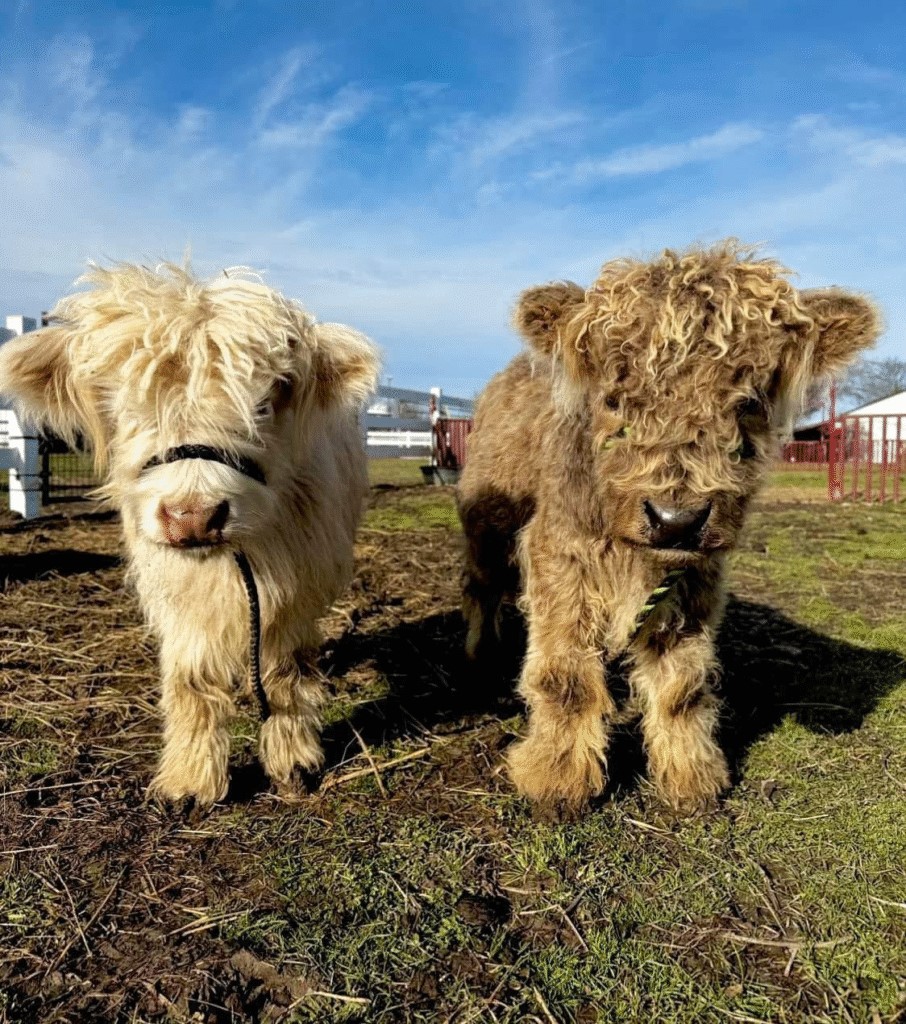
Understanding the Nutritional Needs of a Mini Highland Cow
Mini Highland cows are ruminants, meaning their digestive system is designed to process fibrous plant material. Their diet is primarily forage-based, and they do best on natural, high-quality roughage rather than heavy grain feeding.
A balanced Mini Highland cow diet typically includes:
- Fresh pasture grass
- Grass hay during winter or dry periods
- Minerals and salt supplements
- Unlimited access to clean water
Unlike commercial beef cattle, Mini Highland cows generally do not require large amounts of grain. In fact, excessive grain feeding can lead to digestive problems and unnecessary weight gain.
Pasture Grazing Costs
Pasture grazing is the most economical way to feed a Mini Highland cow. If you have well-managed pasture, grazing can provide most of the nutrients your cow needs for much of the year.
Cost Considerations for Pasture Feeding
While pasture grazing may seem “free,” there are still indirect costs involved, including:
- Fencing installation and maintenance
- Weed control and reseeding
- Soil testing and fertilization
- Water access systems
These costs vary by region and property size but are generally manageable.
Estimated Annual Pasture Cost
For one Mini Highland cow, pasture-related expenses typically range from:
$50 to $150 per year
High-quality pasture can significantly reduce the need for supplemental hay and grain, lowering overall feeding costs.
Hay Costs: The Largest Feeding Expense
Hay is usually the biggest feeding expense, especially during winter or drought periods when pasture is unavailable.
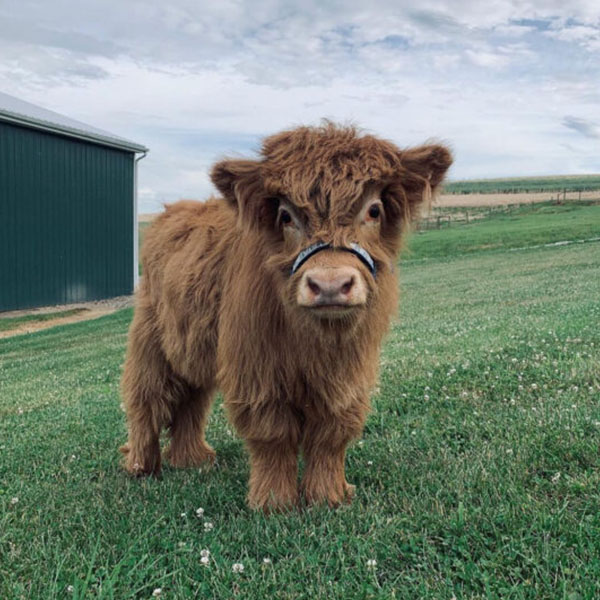
How Much Hay Does a Mini Highland Cow Eat?
Mini Highland cows eat less than full-size cattle but still require a consistent supply of hay. On average, a Mini Highland cow consumes:
- 2–3% of its body weight in dry matter per day
- Approximately 15–20 pounds of hay daily during winter
Types of Hay
Common hay options include:
- Grass hay (timothy, orchard grass, brome)
- Mixed grass hay
- Legume hay (alfalfa, usually limited due to high protein)
Grass hay is generally sufficient and more cost-effective.
Estimated Annual Hay Cost
Hay prices vary widely by region, season, and quality. On average:
$400 to $1,000 per year
Buying hay in bulk or during off-season months can help reduce costs.
Minerals and Supplements
Minerals are essential for digestion, bone strength, reproduction, and immune health. Even with good pasture and hay, Mini Highland cows still need supplemental minerals.
Common Mineral Supplements
- Loose mineral mixes
- Salt blocks
- Trace mineral blocks
These supplements help prevent deficiencies and support overall health.
Estimated Annual Mineral Cost
$50 to $150 per year
This is a small expense compared to hay but plays a critical role in long-term health.
Optional Feeds and Special Dietary Needs
Some Mini Highland cows may require additional feed depending on their life stage or condition.
Situations That May Require Extra Feed
- Pregnancy and lactation
- Underweight or recovering cows
- Cold climates with high energy demands
- Young, growing animals
Optional feeds may include:
- Small amounts of grain
- Beet pulp
- Senior or breeder feeds
Estimated Annual Optional Feed Cost
$50 to $300 per year (optional)
Not all cows need supplemental feed, and unnecessary grain should be avoided.
Seasonal Feeding Cost Differences
Spring and Summer Feeding Costs
During warmer months, pasture grazing often meets most nutritional needs. Feeding costs are generally lower, with minimal hay use.
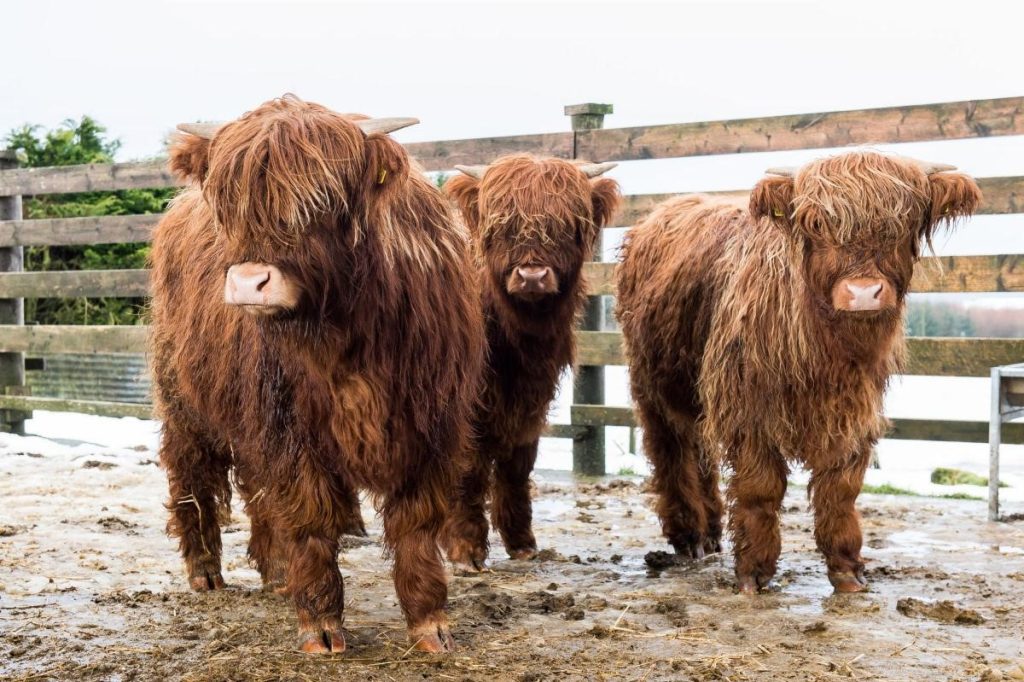
Fall and Winter Feeding Costs
Cold weather increases energy requirements, and hay becomes the primary feed source.
Average seasonal cost: Higher due to hay usage
Proper pasture management during warmer months helps reduce winter feeding expenses.
Average Total Annual Feeding Cost
When all feeding components are combined, the average yearly cost to feed one Mini Highland cow typically falls between:
$550 to $1,600 per year
This range depends on:
- Pasture availability
- Hay prices
- Supplement use
- Climate and seasonal length
Compared to full-size cattle, Mini Highland cows are relatively economical to feed.
Factors That Influence Feeding Costs
Several factors can significantly affect your total feeding expenses:
1. Location and Regional Prices
Feed costs vary widely by region due to climate and supply.
2. Pasture Quality
Well-managed pasture reduces reliance on hay and grain.
3. Cow’s Age and Health
Young, pregnant, or lactating cows need more nutrition.
4. Climate
Colder regions increase winter feeding costs.
Tips to Reduce Feeding Costs Without Sacrificing Health
- Practice rotational grazing
- Improve pasture soil quality
- Store hay properly to avoid waste
- Buy hay in bulk
- Avoid overfeeding grain
Smart management can save hundreds of dollars annually.
Common Feeding Mistakes to Avoid
- Feeding too much grain
- Using low-quality hay
- Ignoring mineral supplementation
- Allowing hay waste
- Poor pasture management
Avoiding these mistakes keeps costs predictable and cows healthy.
Is Feeding a Mini Highland Cow Affordable?
For most small-farm owners, feeding a Mini Highland cow is affordable with proper planning. Their efficient metabolism, smaller size, and forage-based diet make them easier to maintain than many traditional cattle breeds.
Final Thoughts
Feeding a Mini Highland cow is a long-term commitment, but it doesn’t have to be expensive or complicated. With quality pasture, good hay, balanced minerals, and thoughtful seasonal planning, most owners can comfortably manage feeding costs.
By understanding where your money goes and making informed choices, you ensure your Mini Highland cow stays healthy, happy, and well-nourished year-round.
FAQ’S
- How much does it cost to feed a Mini Highland Cow per month?
- On average, feeding a Mini Highland Cow costs around $50–$100 per month, depending on the quality of hay, supplements, and seasonal variations.
- What affects the feeding cost of a Mini Highland Cow?
- Factors such as diet type, pasture availability, hay prices, mineral supplements, and health requirements can influence monthly feeding expenses.
- How much hay does a Mini Highland Cow need daily?
- A Mini Highland Cow consumes approximately 2–4% of its body weight in hay per day, which is around 10–15 pounds daily, depending on age, activity, and climate.
- Are grain and supplements necessary for Mini Highland Cows?
- While hay is the primary diet, adding grains or vitamin-mineral supplements may be required for growth, breeding, or senior cows to ensure proper nutrition.
- Can feeding costs be reduced for Mini Highland Cows?
- Yes, by growing your own pasture, rotating grazing areas, and buying hay in bulk, owners can significantly reduce feeding expenses without compromising health.