
Miniature Highland Cows are hardy, efficient, and surprisingly low-maintenance compared to most cattle breeds. But “low-maintenance” does not mean “no maintenance.” Feeding your Mini Highland correctly is one of the most important things you can do for their health, longevity, coat quality, and temperament.
Many new owners make the mistake of overfeeding grain, underestimating mineral needs, or simply copying feeding programs designed for full-size beef cattle. Mini Highlands have unique nutritional requirements shaped by thousands of years of surviving on the rugged, nutrient-poor pastures of the Scottish Highlands. Understanding that history is the key to feeding them right.
This guide covers everything from daily forage needs and seasonal adjustments, to minerals, water, supplements, toxic plants, and common feeding mistakes to avoid.
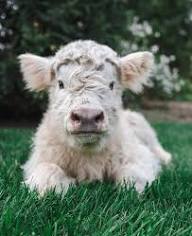
Understanding the Mini Highland Cow’s Natural Dietary Instincts
Before building a feeding program, understand where this breed comes from. Scottish Highland Cattle evolved over centuries grazing on sparse, rough mountain pastures. They are what nutritionists call “easy keepers” meaning they extract more nutrition from lower-quality forage than most other breeds.
This is both a blessing and a curse for owners. On the positive side, they thrive on simple, forage-based diets without expensive grain rations. On the negative side, they gain weight very easily and are highly prone to obesity if fed like a standard beef animal.
Their digestive system is built for:
- Rough, fibrous grasses and browse
- Slow, consistent grazing throughout the day
- Low-starch, high-fiber diets
- Seasonal variation in feed quality and quantity
Fighting against these instincts by overfeeding rich hay, lush pasture, or grain leads directly to obesity, founder (laminitis), and metabolic disorders. Work with their biology, not against it.
Forage The Foundation of Every Mini Highland Diet
Forage should make up 80 to 100 percent of your Mini Highland Cow’s daily diet. Everything else is secondary.
Forage comes in two forms pasture grazing and hay. Both have a role, and understanding how to balance them across seasons is fundamental to good nutrition.
Pasture Grazing
When quality pasture is available, Mini Highlands can meet most or all of their nutritional needs from grazing alone. A well-managed pasture of mixed grasses is the most natural and cost-effective feeding option.
However, lush spring pasture is extremely rich in sugars and nitrogen. This can cause digestive upset, bloat, and weight gain if cattle are introduced to it too quickly after a winter of dry hay. Always transition gradually limit grazing time in early spring and increase it slowly over 2 to 3 weeks.
Ideal pasture grasses for Mini Highlands include:
- Timothy grass
- Orchardgrass
- Bermudagrass
- Fescue (in moderation some fescue varieties carry an endophyte fungus harmful to cattle)
- Mixed native grasses
Avoid pastures with a very high clover content, as clover can cause bloat, especially when wet.
Hay
During winter months or when pasture is unavailable or overgrazed, hay becomes the primary feed source. Choose grass hay over legume hay as the everyday staple.
Types of hay and their role:
- Grass hay (Timothy, Orchardgrass, Bermuda): Best everyday option. Lower in protein and energy, which suits Mini Highlands well.
- Mixed hay (grass and some legume): Acceptable for growing calves or lactating cows who need more nutrition.
- Alfalfa hay: Very high in protein and calcium. Use sparingly and only for animals with elevated nutritional needs pregnant cows in late gestation, lactating cows, or underweight animals.
How much hay does a Mini Highland need per day? A general rule is 2 to 2.5 percent of body weight in dry matter per day. For a 400-pound Mini Highland, that equals roughly 8 to 10 pounds of hay daily.
Always provide hay free-choice during winter when there is no pasture. Use a hay feeder rather than putting hay on the ground to reduce waste and prevent contamination.
Water The Most Overlooked Nutrient
Water is the single most important nutrient in any animal’s diet, and it is the one most often taken for granted.
A Mini Highland Cow drinks 8 to 15 gallons of fresh, clean water per day. That number increases significantly during hot weather, during lactation, and when eating dry hay rather than fresh pasture.
Key water management tips:
- Provide access to fresh water at all times never let it run out
- Clean water troughs at least once a week to prevent algae and bacterial growth
- In winter, use heated water troughs or check and break ice twice daily cattle will reduce water intake if water is very cold, leading to dehydration and impaction colic
- Water quality matters if your well water is high in sulfates or iron, it can reduce intake and affect mineral absorption
Dehydration, even mild, causes reduced feed intake, poor digestion, weight loss, and in severe cases, impaction a painful and potentially fatal intestinal blockage.
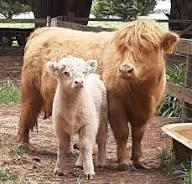
Minerals and Salt Non-Negotiable for Long-Term Health
Forage alone, even the best grass hay, rarely provides a complete mineral profile. Mineral deficiencies develop slowly and silently, showing up months or years later as poor coat quality, reproductive failure, weak calves, immune problems, or bone disorders.
The most important minerals for Mini Highland Cattle are:
Selenium Selenium deficiency is extremely common across many regions of the world, including large parts of North America and Asia. Deficiency causes white muscle disease in calves, poor immune function, and reproductive problems. However, selenium toxicity is also possible never supplement above recommended levels without knowing your local soil and forage selenium status. A soil or forage test from your local agricultural extension office will tell you whether your area is deficient.
Copper Copper is essential for coat color, immune function, and connective tissue health. Highland cattle, with their long, flowing coats, are particularly sensitive to copper deficiency one of the first signs is a faded, dull, or reddish-brown tint to a coat that should be rich black or dark red. Many high-iron water sources and high-sulfur forages block copper absorption even when dietary copper seems adequate.
Calcium and Phosphorus These two minerals must be in the correct ratio ideally 2:1 calcium to phosphorus. Grass hay generally provides good calcium. Grain and bran are high in phosphorus. Feeding too much grain without calcium supplementation throws this ratio off and can cause urinary stones in males and bone weakness in all animals.
Magnesium Important for nerve and muscle function. Deficiency can cause grass tetany, a sudden and sometimes fatal condition that occurs when cattle graze lush, rapidly growing spring pasture that is low in magnesium.
Salt (Sodium Chloride) Salt is the one mineral cattle will self-regulate effectively. Always provide a plain white salt block or loose salt free-choice. Do not rely on mineralized salt blocks alone as your complete mineral program they rarely provide adequate amounts of trace minerals.
Best Practice: Offer a loose, free-choice cattle mineral formulated for your region alongside plain loose salt. Your local agricultural supply store or a cattle nutritionist can help you select the right product. Loose minerals are far more effective than pressed mineral blocks because cattle can consume the correct amount more easily.
Grain Use It Carefully and Sparingly
Grain is not a necessary part of a Mini Highland Cow’s diet in most situations. Because this breed is an easy keeper, grain is usually more of a risk than a benefit.
When grain is appropriate:
- Lactating cows producing milk for a calf may need additional energy
- Very young calves being weaned and transitioning to solid feed
- Underweight animals recovering from illness or severe parasite load
- Animals in very cold climates during extreme winter conditions when more energy is needed to maintain body temperature
When to avoid grain entirely:
- Healthy adult Mini Highlands on good hay and pasture
- Animals that are already at or above ideal body condition
- Steers and non-working males at any time
- Animals prone to laminitis or founder
If you do feed grain, choose a simple, low-starch option like:
- Whole oats (the safest grain for cattle low in starch, high in fiber)
- A commercially formulated cattle ration with 10 to 12 percent protein
- Small amounts of corn only in cold weather for added energy
Never feed more than 0.5 to 1 percent of body weight in grain per day for a Mini Highland. For a 400-pound animal, that is a maximum of 2 to 4 pounds and most will need far less than that, or none at all.
Feeding Across Life Stages
Nutritional needs change significantly across the life of a Mini Highland Cow. A one-size-fits-all feeding program will underfeed some animals and overfeed others.
Calves (Birth to Weaning approximately 6 to 8 months)
Dam-raised calves get their primary nutrition from their mother’s milk for the first several months of life. They begin nibbling hay and pasture as early as 2 to 3 weeks of age. Provide high-quality hay and access to fresh water early to encourage rumen development. A small amount of calf starter grain (16 to 18 percent protein) can support weaning transition.
Growing Heifers and Steers (Weaning to 18 months)
Growing animals need more protein than adults 12 to 14 percent in the total diet. Good mixed hay or pasture with free-choice minerals will cover most needs. Avoid pushing rapid growth with heavy grain feeding it causes structural problems in joints and feet.
Adult Cows (Maintenance)
Healthy, non-pregnant adult cows need the simplest diet of all. Good quality grass hay, free-choice minerals, salt, and fresh water. No grain needed.
Pregnant Cows
Nutritional needs increase significantly in the last 3 months of pregnancy (the third trimester). The calf grows fastest during this period. Increase hay quality or add a small amount of mixed hay with some legume content. Ensure selenium and vitamin E levels are adequate before calving to prevent white muscle disease in the newborn calf.
Lactating Cows
Lactation is the most nutritionally demanding state a cow can be in. Energy and protein needs increase by 30 to 50 percent above maintenance. High-quality mixed hay, access to good pasture, and a small grain ration if needed are all appropriate during peak lactation.
Senior Animals (8 years and older)
Older cattle often lose teeth efficiency and struggle to chew long-stem hay effectively. Signs include dropping food from the mouth (quidding), weight loss, and poor body condition despite eating. Switch to softer, chopped hay, hay cubes soaked in water, or high-fiber beet pulp to maintain condition in senior animals.
Plants and Foods That Are Toxic to Mini Highland Cows
Many common plants found in pastures, gardens, and roadsides are toxic or even deadly to cattle. Know what grows on and around your property.
Highly toxic plants to remove from pastures and surrounding areas:
- Rhododendron and Azalea extremely toxic, causes heart failure
- Yew one of the most deadly plants for cattle, small amounts can kill
- Nightshade (all varieties) causes nervous system damage
- Bracken Fern causes bone marrow suppression and bleeding disorders with prolonged exposure
- Water Hemlock highly toxic, causes convulsions and death
- Oak (acorns and leaves in large quantities) causes kidney damage
- Johnsongrass and Sorghum produce cyanide under stress conditions such as drought or frost
- Milkweed cardiac toxins
- Oleander extremely toxic in very small amounts
Also avoid feeding:
- Lawn clippings ferment rapidly in large quantities and cause bloat
- Garden waste from toxic plants
- Moldy hay or silage produces mycotoxins harmful to all livestock
- Dog or cat food designed for carnivores, not appropriate for ruminants
- Bread or processed human food high in starch and can disrupt rumen function
Body Condition Scoring How to Tell If Your Feeding Program Is Working
You cannot accurately judge nutrition by looking at a Mini Highland from a distance. Their long, thick coats hide condition well. You must put your hands on the animal regularly to assess body condition.
Body Condition Score (BCS) is a 1 to 9 scale where 1 is severely emaciated and 9 is severely obese. Mini Highlands should be maintained between BCS 5 and 6 for most life stages.
How to assess BCS by feel:
- Run your hand along the spine and ribs
- At BCS 5, you can feel the ribs with light pressure but they are not visible through the coat
- At BCS 4 or below, ribs are easily felt and sharp animal is underweight
- At BCS 7 or above, you cannot feel ribs without firm pressure animal is overweight
Check body condition monthly and adjust feed accordingly. If your animal is gaining too much weight, reduce hay access or move to lower-quality forage. If losing condition, rule out health issues (parasites, dental problems, illness) before simply adding more feed.
Common Feeding Mistakes to Avoid
- Overfeeding grain to an easy-keeper breed prone to obesity
- Relying on a salt block alone for complete mineral nutrition
- Allowing unlimited access to lush spring pasture without transition
- Feeding moldy, dusty, or poor-quality hay
- Neglecting water quality and assuming cattle will drink whatever is available
- Feeding the same ration year-round without adjusting for season or life stage
- Underestimating mineral needs, especially selenium and copper
- Feeding lawn clippings or kitchen scraps thinking it is a harmless treat
Conclusion
Feeding a Mini Highland Cow well is not complicated, but it does require understanding. This breed thrives on simplicity quality forage, clean water, the right minerals, and careful observation. They do not need fancy feed programs or expensive supplements. They need you to work with their biology rather than against it.
Check body condition monthly, adjust feeding with the seasons, build a relationship with a local livestock veterinarian, and get your forage and water tested at least once so you know what your animals are actually getting.
A well-fed Mini Highland will reward you with a long, healthy life, a beautiful coat, a calm temperament, and years of genuine joy on your property.