
Imagine a shaggy, doe-eyed creature barely reaching your hip part living artwork, part gentle companion, and part small-scale homestead animal. Mini Highland Cows have exploded in popularity among hobby farmers, homesteaders, and families looking for a unique and lovable addition to their property. But selecting the right one is not as simple as picking the cutest face in the pasture.
This guide will walk you through everything you need to know before making this long-term commitment from understanding the breed and evaluating temperament, to vetting breeders and budgeting for real costs. Whether you want a backyard companion, a small beef animal, or show cattle, this article covers it all.
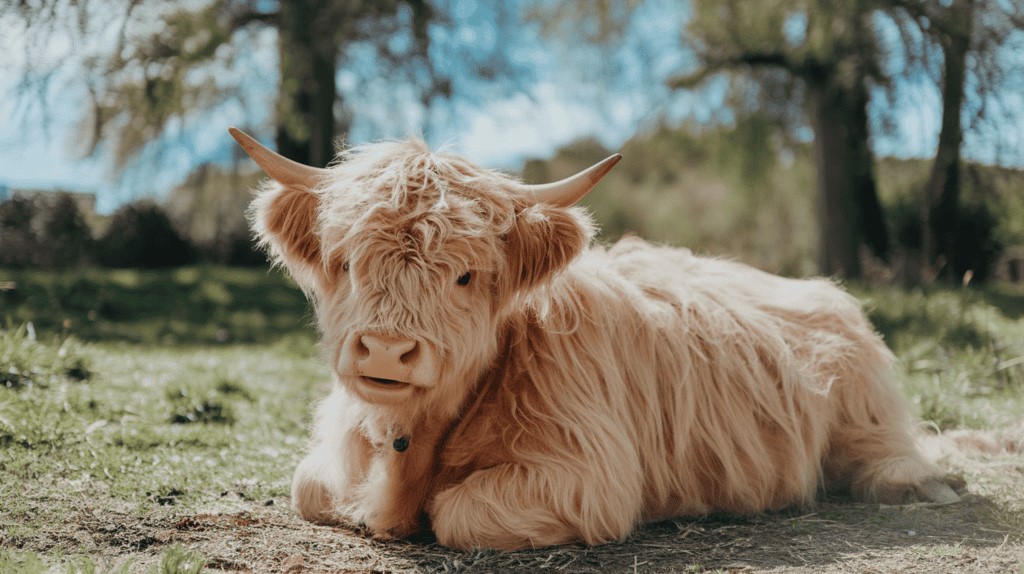
What Exactly Is a Mini Highland Cow and Is It Right for You?
Mini Highland Cows are selectively bred-down versions of the traditional Scottish Highland breed. They carry the same iconic long horns, flowing coat, and calm personality just in a much smaller package.
Size classifications recognized by the International Miniature Cattle Breeders Society and Registry (IMCBSR):
- Micro Mini: under 36 inches at the shoulder
- Mini: 36 to 42 inches
- Mid-Size: 42 to 48 inches
They live 15 to 20 years, which means owning one is a serious long-term commitment. People buy them for different purposes as pets and companions, for small-scale beef production, for showing, or as breeding stock. Knowing your purpose before you shop changes everything about which animal is right for you.
Pet, Beef, Show, or Breeding? How Your Goals Shape Your Selection
Before you even look at animals, decide what you want from your Mini Highland Cow.
If you want a pet or companion, temperament and human socialization matter most. Look for hand-raised calves that are comfortable around people. Also consider that cattle are herd animals a single cow will be lonely and stressed, so buying a pair is often wiser.
If you want small-scale beef, focus on body condition, frame size, and muscle development. A steer (castrated male) is often the best choice calmer and purpose-built for meat production.
If you plan to show, conformation to breed standard is everything. Coat quality, color, and structure matter hugely on the show circuit.
If you want breeding stock, documented pedigree and bloodline diversity are non-negotiable. You also need to check the reproductive history of the mother and the structural soundness of feet and udder.
Ask yourself before buying:
- Do I have enough land and proper fencing?
- Am I ready for a 15 to 20 year commitment?
- Can I afford year-round feed and veterinary costs?
- Is my goal companionship, food production, income, or showing?
Mini Highland Cow Temperament The Number One Factor Most Buyers Overlook
A beautiful cow that is difficult or dangerous to handle will make your life miserable. Temperament should be your top priority, especially if you have children or a small property.
Signs of good temperament include approaching humans with curiosity rather than fear, allowing halter leading without excessive pulling, and staying calm during feeding, grooming, and hoof trimming.
When you visit a farm, test the animal yourself. Enter the pasture and see whether the animal flees or approaches. Ask the breeder to demonstrate halter leading in front of you. Watch how the animal reacts to a stranger which is you. Observe behavior at feeding time, when animals tend to show their true character.
Temperament is both genetic and environmental. Ask whether the calf was bottle-fed or dam-raised. A calf raised by a calm mother often inherits calmer traits. Early human handling in the first 60 days of life is also critical.
Red flags to walk away from:
- Excessive head tossing or pawing the ground
- Pinned ears or wide, white-rimmed eyes
- A breeder who cannot comfortably approach their own animal
Mini Highland Cow Health Checklist How to Avoid Buying a Sick Animal
Always do a thorough visual inspection before purchasing. A healthy Mini Highland Cow should have clear, bright eyes with no discharge, a clean and shiny coat, straight legs with good hoof structure, and a body condition score of 5 to 6 on a 9-point scale. Any sign of lameness or favoring a leg is a serious concern.
Ask the breeder for complete health records, including vaccinations for IBR (Infectious Bovine Rhinotracheitis), BVD (Bovine Viral Diarrhea), Blackleg and other Clostridial diseases, and Brucellosis testing for breeding stock. Ask about deworming history as well.
For any purchase over $2,000, always request a pre-purchase veterinary exam. This typically costs $150 to $400 and is worth every rupee. The vet can run a fecal egg count for parasite load and check overall condition objectively.
Also ask whether the parents have been tested for Chondrodysplasia, sometimes called the bulldog gene. This is a lethal recessive genetic condition that appears in some miniature cattle breeds and is something responsible breeders actively screen for.
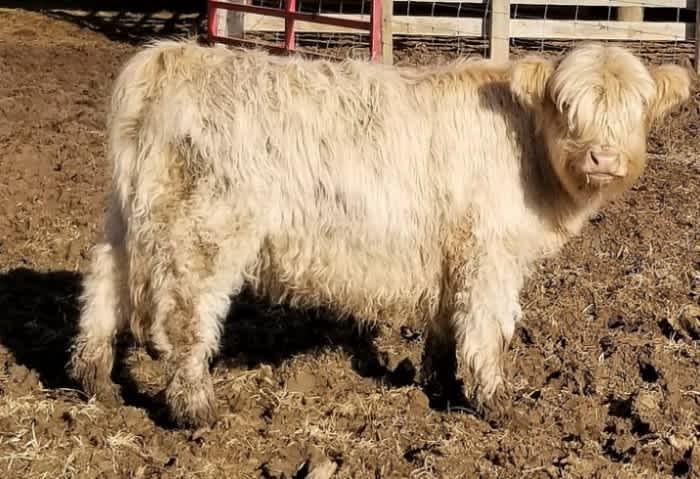
Bloodlines and Registration Why Paperwork Is Not Just Bureaucracy
A registered animal comes with a documented pedigree that tracks genetic history, prevents inbreeding, proves the animal is a genuine Mini Highland, and is required for show participation. Registered animals also hold significantly higher resale value typically 30 to 70 percent more than unregistered ones.
The main registry to look for is the International Miniature Cattle Breeders Society and Registry (IMCBSR). When reviewing a pedigree certificate, check for the sire and dam names and registration numbers, the animal’s date of birth and identification tattoo or tag, and the complete transfer history from breeder to current owner.
How to Find a Reputable Mini Highland Cow Breeder and Avoid Scams
The breeder matters as much as the animal. A good breeder runs a clean, well-maintained farm with adequate space for their herd. They answer detailed questions confidently, provide references from previous buyers, and are registered with a recognized cattle organization.
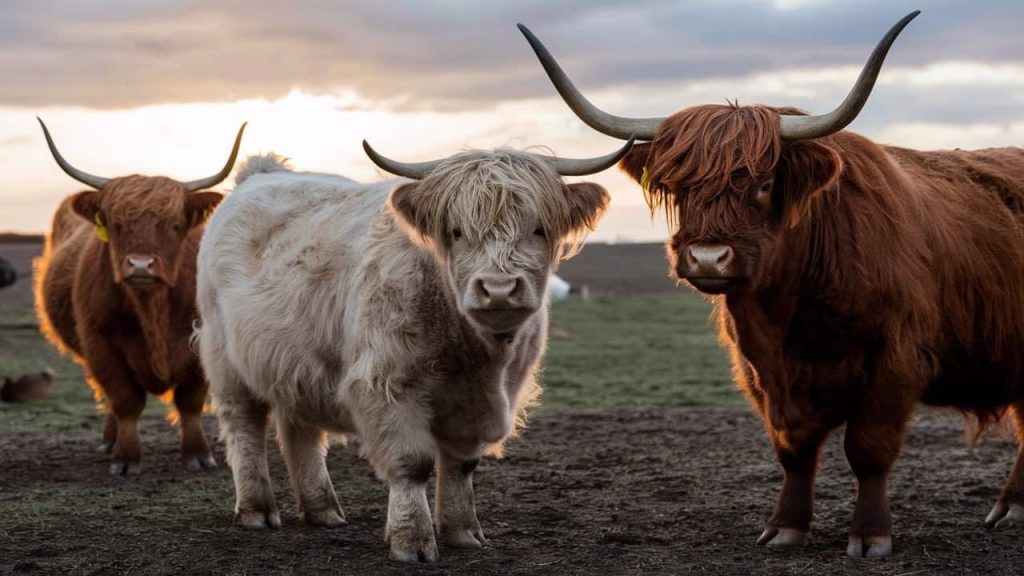
Questions you should ask every breeder:
- How long have you been breeding Mini Highlands specifically?
- Are both parents on-site and can I see them?
- What is your herd health program?
- Do you offer any health guarantee or return policy?
- What has this animal been eating and what is the feeding transition plan?
- Has this animal been disbudded or dehorned?
- Is this animal halter-trained?
Online purchase red flags to watch for include sellers who refuse farm visits, prices dramatically below market rate, no verifiable physical address, no online presence or reviews, and pressure to decide quickly or pay by wire transfer only.
Current market pricing for reference:
- Pet-quality unregistered Mini Highland: $1,500 to $3,500
- Registered pet or companion quality: $3,000 to $6,000
- Show or breeding quality: $5,000 to $15,000 and above
Prices vary by region, coat color, and bloodline prestige.
Land, Fencing, Feed, and Shelter Are You Actually Ready?
Before you buy, make sure your property is prepared. Mini Highland Cattle need at least 1 to 2 acres per animal. They are efficient grazers, but they still need space to roam and graze naturally.
Fencing must be at minimum 4-foot woven wire or board fence. Highland cattle are strong animals and will test weak fencing. If your animal has horns, you also need wider gate openings.
For shelter, a three-sided run-in shed is usually enough. Highland cattle are one of the most cold-hardy breeds in the world and do not need a fully enclosed barn in most climates. However, shade and ventilation are important in hot regions like much of Pakistan.
For feed, the foundation is high-quality grass hay with access to fresh water at all times. Mineral supplementation is important selenium deficiency is common in many regions. Avoid overfeeding grain, as it can cause health problems in this breed.
Most importantly, do not buy a single animal. Cattle are social creatures and a lone cow will be anxious, vocal, and unhappy. Buy a pair or ensure other livestock companionship is available.
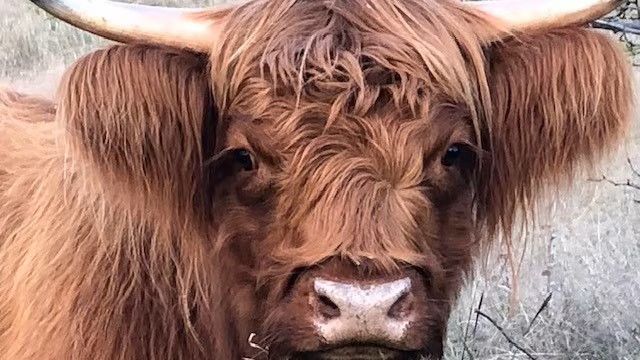
True Annual Cost of Owning a Mini Highland Cow
Many buyers are surprised by the ongoing costs. Here is a realistic annual breakdown per animal:
- Hay: $400 to $900 depending on region and pasture quality
- Minerals and supplements: $100 to $200
- Routine veterinary care: $200 to $500
- Vaccinations and deworming: $100 to $200
- Hoof trimming (1 to 2 times per year): $75 to $150 per session
- Fencing maintenance: $100 to $300
- Emergency vet reserve fund: budget $1,000 to $3,000
Total estimated annual cost per animal: $1,000 to $2,500 or more, not including the purchase price.
Conclusion
Selecting the right Mini Highland Cow comes down to doing your homework before you fall in love with a fluffy face. Define your purpose first. Prioritize temperament and verifiable health over appearance. Always visit the farm in person, meet the parents, and request complete health and registration records. Work only with transparent, reputable breeders. And make sure your land, fencing, shelter, and budget are fully ready before that animal sets hoof on your property.
The right Mini Highland Cow is patient, shaggy, and waiting. Go find yours checklist in hand.